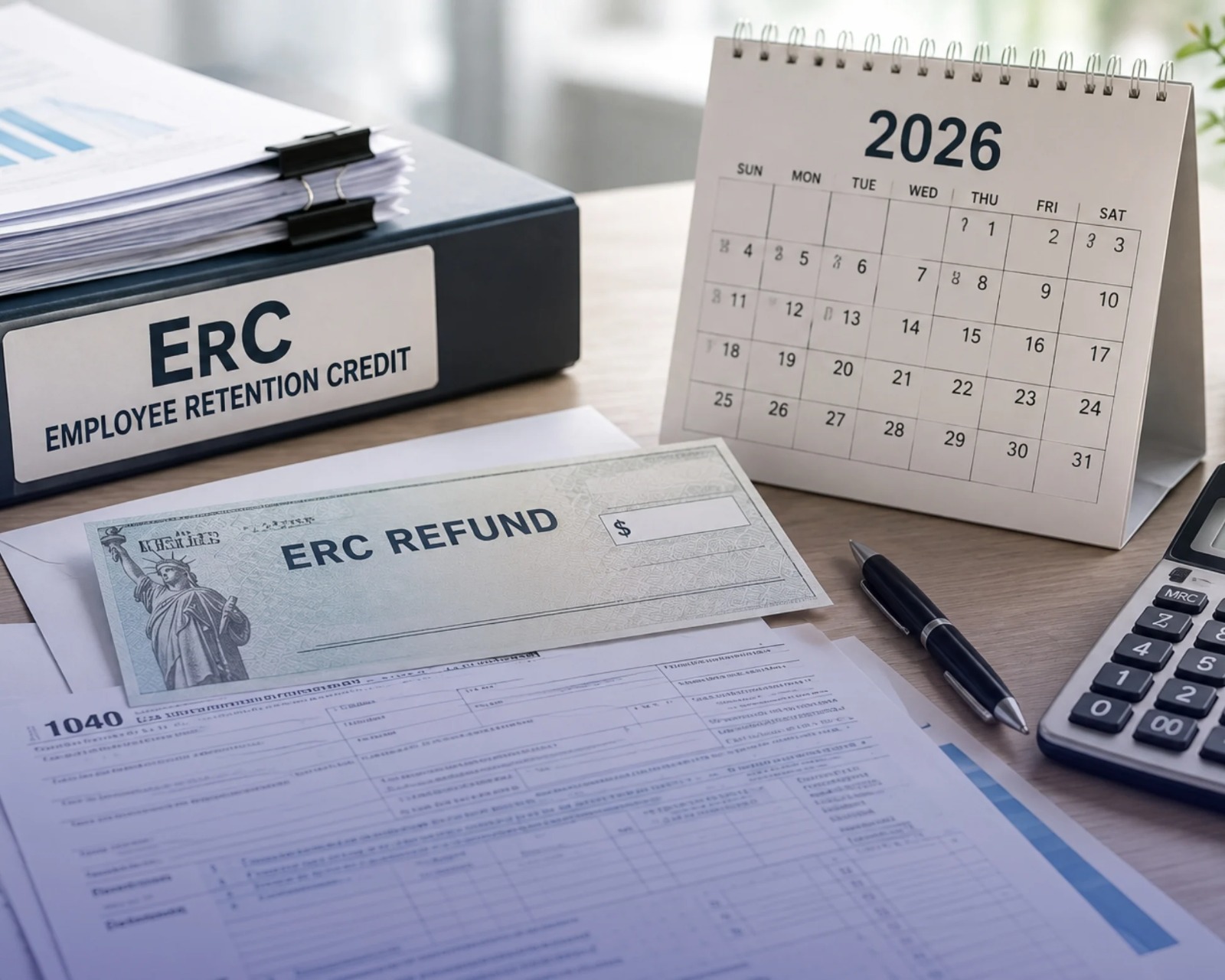
The IRS is on a President Trump mandated mission to eliminate paper checks. It wants all taxpayers to receive their refunds by direct deposit or other electronic payment methods, not by paper check.
For most taxpayers, this is not a big deal. Ninety-three percent of all taxpayers already receive their refunds by direct deposit.
But some 5.6 million American households are unbanked-they don’t have a checking or savings account. The transition to direct deposit is proving difficult for many of them, and the IRS is not going out of its way to help.
To have their tax refunds paid by direct deposit, taxpayers must provide their bank routing and account numbers on their Form 1040. Technically, providing such direct deposit information is voluntary. The IRS processes tax returns that lack this information.
Until this year, the IRS automatically issued a paper refund check to taxpayers who failed to provide bank information or whose deposit was rejected by the bank. But starting with the 2026 filing season, the IRS is temporarily freezing the refunds of all such taxpayers and sending them a CP53E notice.
The CP53E is a computer-generated, one-page, not very informative “informational” notice that tells taxpayers they have 30 days to provide correct direct deposit information using their IRS online account. It is not a penalty notice and imposes no additional interest or monetary sanctions. CP53E notices have been issued to 1 percent of all taxpayers – over one million of them.
If a taxpayer who receives a CP53E notice does not provide direct deposit information within 30 days, the IRS will issue a paper check after six weeks. Thus, there could be a delay of ten weeks before such taxpayers receive their refunds.
The IRS is required to pay interest on refunds delayed by more than 45 days from the date of filing, so presumably these taxpayers will be paid interest on their refunds.
To avoid significant delays to their refunds, taxpayers need to provide their direct deposit information to the IRS. They must:
Establish an online account. Taxpayers must create an online IRS account if they don’t already have one. This requires completing an identity verification process through ID.me. There is a “self-service” option that requires uploading photo identification, or taxpayers can provide their photo identification in a live video call with an IRS employee. Either option requires the taxpayer to have an email account.
Enter bank information. Once the online account is established, taxpayers must enter new or corrected bank information to receive direct deposits. To find out where to enter this information, log in to your online IRS account and go to: Profile>Banking>Information>Add Bank Account.
To prevent rejection of the deposit by the bank, taxpayers should make sure that their bank account name matches the name on their tax return.
Once the taxpayers provide the direct deposit information, the refund will be immediately released via direct deposit.
The CP53E is issued once only.
If a second direct deposit is rejected due to incorrect bank information, taxpayers do not get another opportunity to update their information.
Taxpayers who do not have a bank account and/or access to the internet, or who don’t want to provide their banking information to the government, can call the main IRS customer service phone number (800-829-1040) and request a paper refund check be issued immediately. Updated IRS procedures provide that the IRS customer service representative should release the refund as a paper check. It’s unclear how long it takes to receive the paper check after it’s released.
The CP53E notice includes a toll-free, information-only phone line: 866-325-4066. This line provides recorded explanations of the notice and next steps. However, it does not transfer callers to an IRS customer service representative or let taxpayers enter deposit information. Don’t call this number to request a paper check.
Some CP53E notices have been sent to taxpayers who filed their 2025 returns with overpayments that they applied to 2026. These CP53E notices are sent in error and should be ignored.
Technically voluntary—IRS processes returns without bank info.
But without it, your refund is frozen, and you receive the CP53E notice.
BergerCPAFirst, with over 35+ years of experience, offers comprehensive tax preparation services for individuals and businesses nationwide. Our commitment is to provide personalized attention while ensuring compliance and maximizing tax benefits. If you have any questions or would like to schedule a consultation, please call (201) 587-9200 or send us an inquiry.
Recent Post
Dealer or investor? Deducting the loss on your first flip
September 25, 2026
Protect your home-office deduction from spouse, second business
September 15, 2026
Tax deduction for classic or antique cars used in business
 Client Login

 (201)587-9200